Build a Better Portable Snack Kit for Work and Travel
Why a portable snack kit makes sense
Between meetings, long commutes, and road trips, hunger can hit at the worst moments. A vending machine stop or a gas station dash often leads to choices that are high in sugar and low on staying power. A portable snack kit solves that by putting you in control of what you eat, when you eat it. It is a small collection of shelf-stable, individually wrapped snacks that you can carry in a backpack, a desk drawer, or a lunch bag. The goal is to have something satisfying on hand without relying on whatever is available nearby.
Building a good kit takes a little thought. You want items that travel well, resist crushing, and stay fresh for weeks. You also want a mix that covers different cravings and energy needs. The right combination can turn a rushed afternoon or a long drive into something manageable. Below is a practical way to put one together.
Pick the right container
The first step is choosing what will hold your snacks. A soft-sided lunch bag with a zipper works well because it fits into a larger bag and can be cleaned easily. A small hard-sided container, like a plastic box with a latch, protects fragile items better. Think about where you will store it. If it lives in a desk drawer, a flat canvas pouch or a simple plastic bin is fine. If it goes into a backpack every day, look for something that does not add much weight and that seals securely to keep crumbs inside.
Whatever you choose, make sure it is easy to open and close one-handed. You do not want to wrestle with a latch while you are driving or holding a coffee. A container that is too large encourages you to overfill it, which can lead to crushed snacks. One that is too small limits variety. Aim for something that holds four to six items comfortably.
Start with a shelf-stable base
The foundation of any portable snack kit is items that do not need refrigeration. Think crackers, rice cakes, nuts, seed bars, and wafer-style treats. Look for packaging that keeps out air and moisture. Individually wrapped snacks are ideal here because each piece stays fresh until you open it, and you can grab just one without exposing the rest.
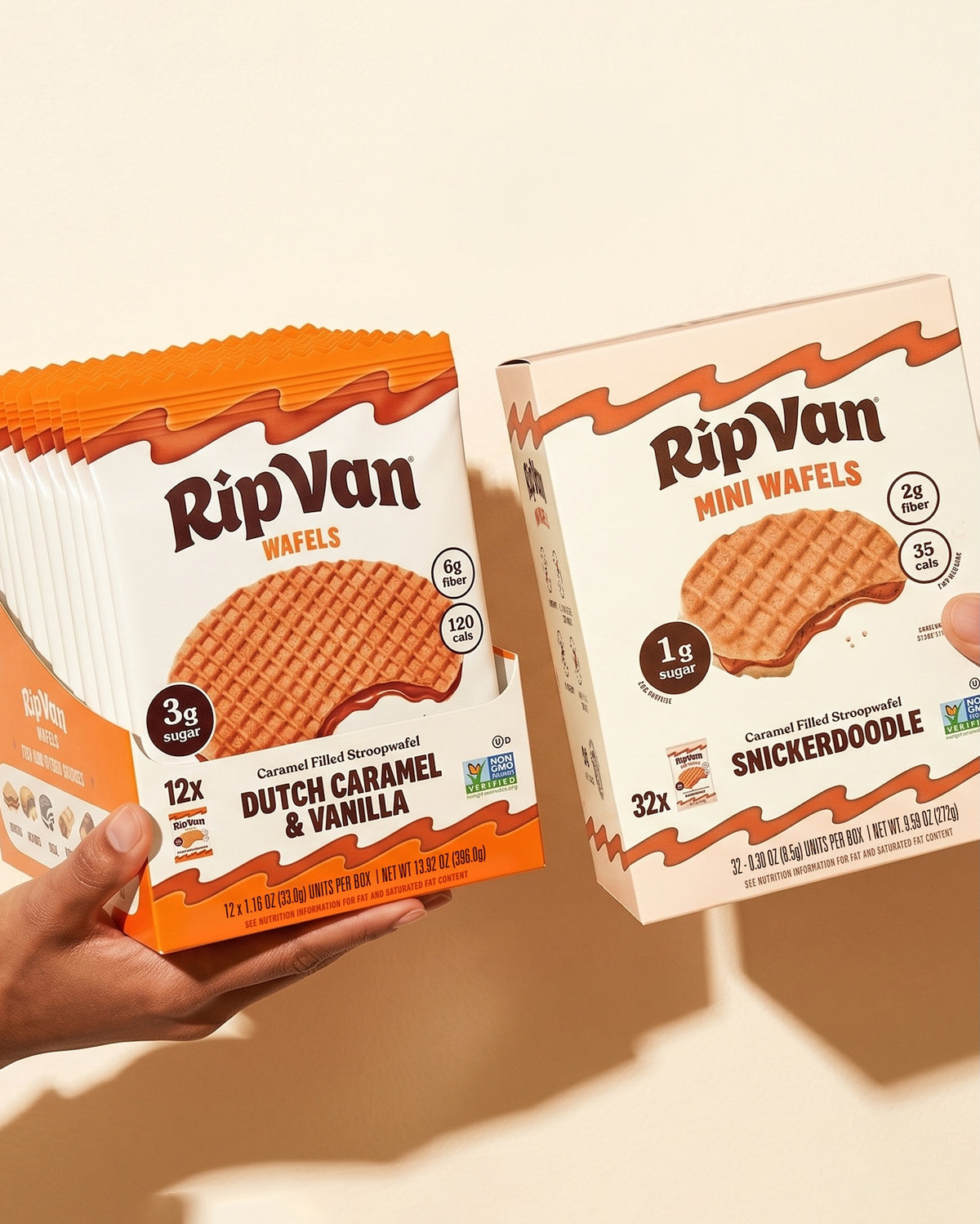
Pay attention to portion size. A single-serve pack of nuts or a small bag of crackers gives you a controlled amount, which helps with portion control. Larger bags tempt you to eat more than you planned, and they can go stale once opened. Stick with items that come in their own sealed wrapper or that you can pre-portion into small reusable bags at home.
One category worth including is filled wafer snacks. They tend to have a long shelf life, they do not crumble easily, and they provide a little sweetness without being heavy. For example, low-sugar Dutch stroopwafels offer a chewy center and added fiber, which makes them a good option for between-meal hunger. They fit neatly into a lunch bag or desk drawer and hold up well in a backpack.
Add protein and fat for staying power
Carbohydrates alone can leave you hungry again in an hour. Protein and fat slow digestion and keep your energy steady. Include a few protein-rich items such as beef jerky sticks, turkey sticks, or single-serve nut butter packets. Cheese crisps and roasted chickpeas also travel well and do not require refrigeration until opened.
Nuts are a classic choice, but they can go rancid if stored too long in a warm car. Rotate them seasonally, and check the sell-by date when you restock. Sunflower seeds, pumpkin seeds, and almonds all hold up reasonably well at room temperature. If you prefer something softer, individual packets of nut butter paired with a cracker or a rice cake give you a quick protein boost without mess.
Include something sweet that does not melt
A portable snack kit should have a small sweet option for when a craving hits. Chocolate is tricky because it melts in warm weather. Instead, look for individually wrapped snacks that are heat-stable. Hard candies, licorice, and fruit leathers handle temperature changes well. Wafer-based sweets like stroopwafels also resist melting because they are baked and filled rather than coated in chocolate. They offer a caramel-like sweetness that can satisfy a sugar urge without the mess of melted chocolate in your bag.
When you are on the go wafer snacks, keep an eye on the packaging. A thin foil wrapper can tear easily in a bag. A sturdier plastic or foil-sealed wrapper protects the snack better and keeps it fresh longer. If you buy in bulk, repack individual pieces into small zip-top bags or reusable silicone pouches.
Think about texture and variety
Eating the same thing every day gets boring. A good kit includes a range of textures: crunchy, chewy, crisp, and soft. That way you can pick what fits your mood. A handful of crispy crackers, a chewy fruit leather, and a crunchy nut mix cover different textures and keep your palate interested.
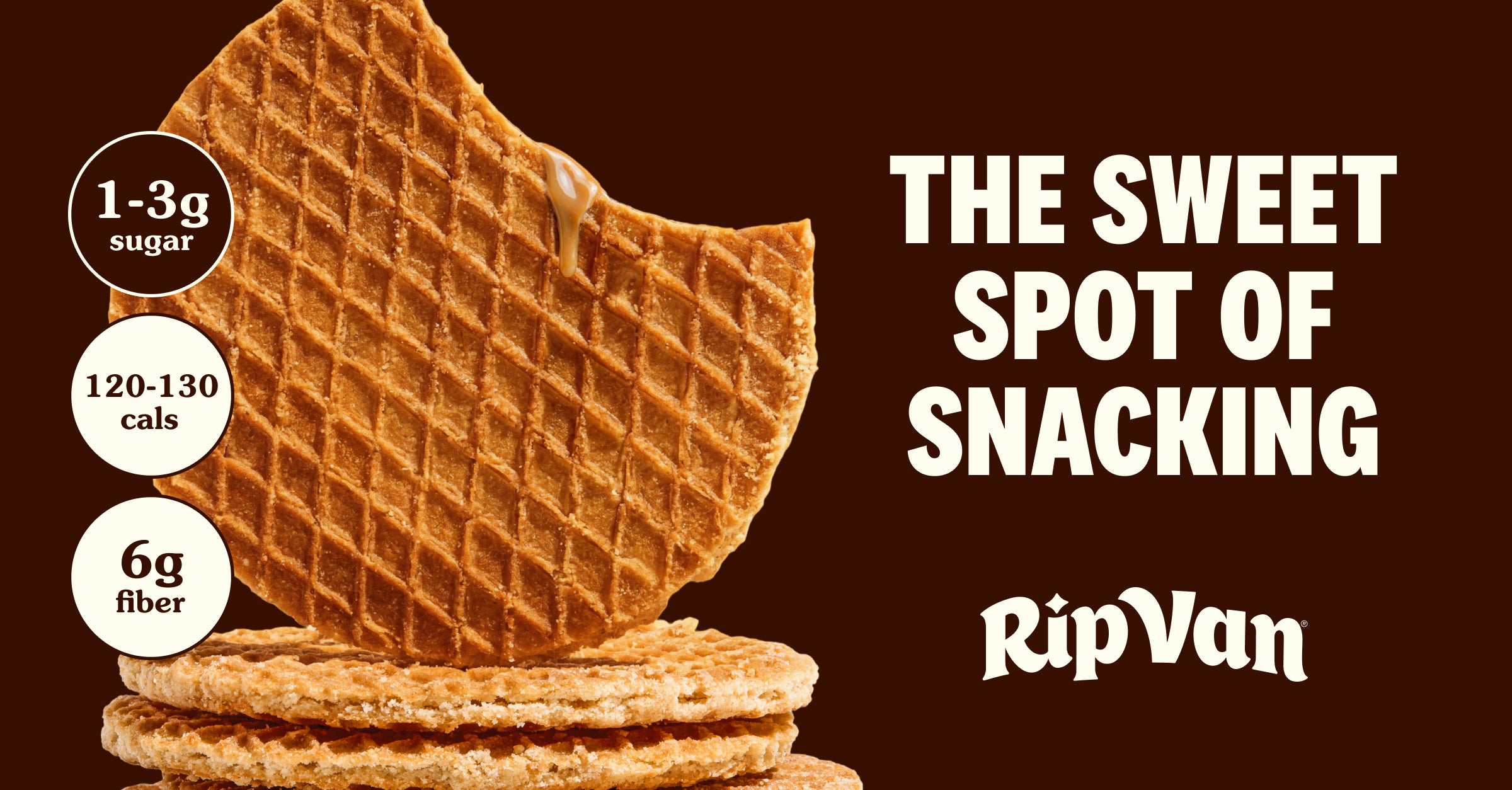
Variety also helps you avoid impulse buys. If your kit has something savory, something sweet, and something with protein, you are less likely to stop for a pastry or a candy bar that does not serve you well. Rotate the contents every week or two to keep things fresh. Swap out a sweet wafer for a savory cracker, or replace nuts with seeds for a change.
Keep an eye on shelf life and temperature
Not all snacks handle heat or cold the same way. A car parked in summer sun can reach temperatures that ruin chocolate, soften nut butters, and make crackers taste stale. In winter, freezing temperatures can make some items brittle or cause condensation when you bring them inside. Choose snacks that are labeled as shelf stable and that do not require a specific temperature range.
Individually wrapped snacks generally have a longer shelf life because the packaging protects them from humidity and light. Still, check the best-by dates when you buy and again when you restock. A stale snack is disappointing and can make you reach for something less thoughtful. Replace anything that looks crushed or whose package is torn. A damaged wrapper means the snack inside may have lost its texture or picked up odors from your bag.
Assemble and test your kit
Once you have chosen your container and gathered a few items, pack them in a way that makes sense for how you will use them. Put heavier items at the bottom and lighter, crushable ones on top. If you are using a lunch bag, consider adding a small ice pack only if you include items that need cooling. For most shelf-stable kits, an ice pack is unnecessary and adds weight.
Take your kit on a short trip first. See how the snacks hold up after a few hours in a backpack or on a car seat. Notice whether anything gets crushed or if the packaging leaks. Adjust as needed. You might find that one brand of crackers crumbles too easily, or that a particular fruit leather sticks to its wrapper in warm weather. Swap those out for something sturdier.
When you are on the go wafer snacks, having a tested kit means you can grab it without thinking. It becomes a habit, and habits are what keep you from relying on whatever is at the counter. Over time, you will learn which combinations work best for your schedule and your tastes.

Restock and refresh regularly
A portable snack kit is only useful if it is full and current. Set a reminder to check it every Sunday or every time you fill your gas tank. Remove anything that is close to its expiration date or that looks damaged. Replace it with something fresh. Rotating the contents also gives you a chance to try new items and avoid flavor fatigue.
Keep a small stash of refills at home so you can replenish quickly. A box of individually wrapped snacks in your pantry makes it easy to top off your kit without an extra store trip. If you travel often, pack a few extra items in your suitcase so you can rebuild the kit when you arrive.
A well-maintained snack kit turns a potential problem into a simple solution. Instead of hunting for something edible between meetings or on a long drive, you reach into your bag and pull out exactly what you need. That small bit of preparation makes a noticeable difference in how you feel and how you eat throughout the day.